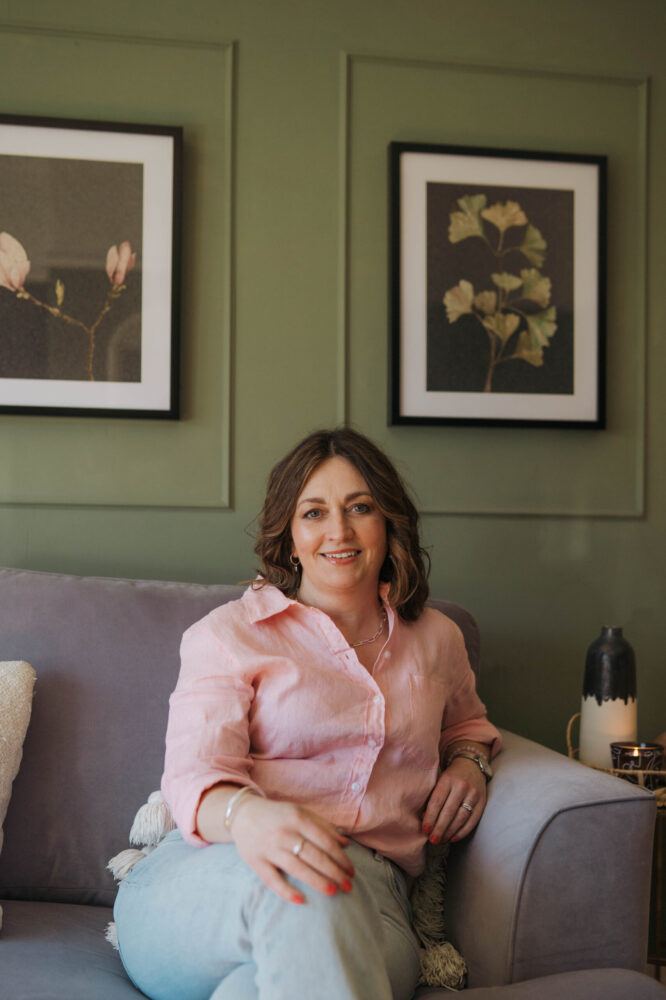
A single, bold wall instantly changes a room’s dynamic, giving it a strong focal point. However, if the rest of your decor clashes, that striking choice can feel overwhelming or disjointed. Successful accent wall design requires viewing the wall and surrounding furnishings as interconnected elements that create a unified interior scheme.
Harmonising Colour: Pulling Palettes Together
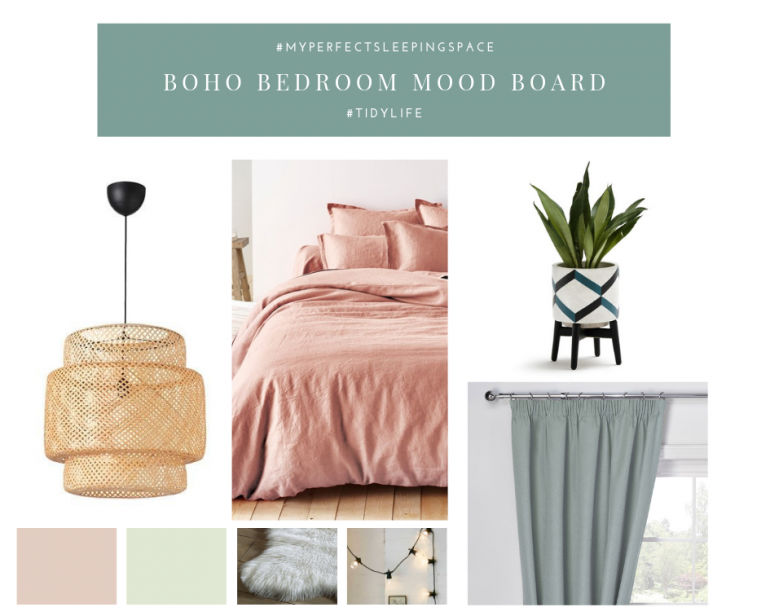
Begin furniture choosing by drawing inspiration from your accent wall’s colour palette rather than attempting exact matches. Colour confidence continues to grow amongst UK homeowners, with increased willingness to embrace sophisticated colour combinations that create depth.
Choose pieces in complementary or analogous shades that improve instead of replicate the wall colour. A deep navy luxury designer wallpaper pairs beautifully with soft grey upholstery accented by mustard yellow cushions, creating layers of visual interest whilst maintaining cohesion.
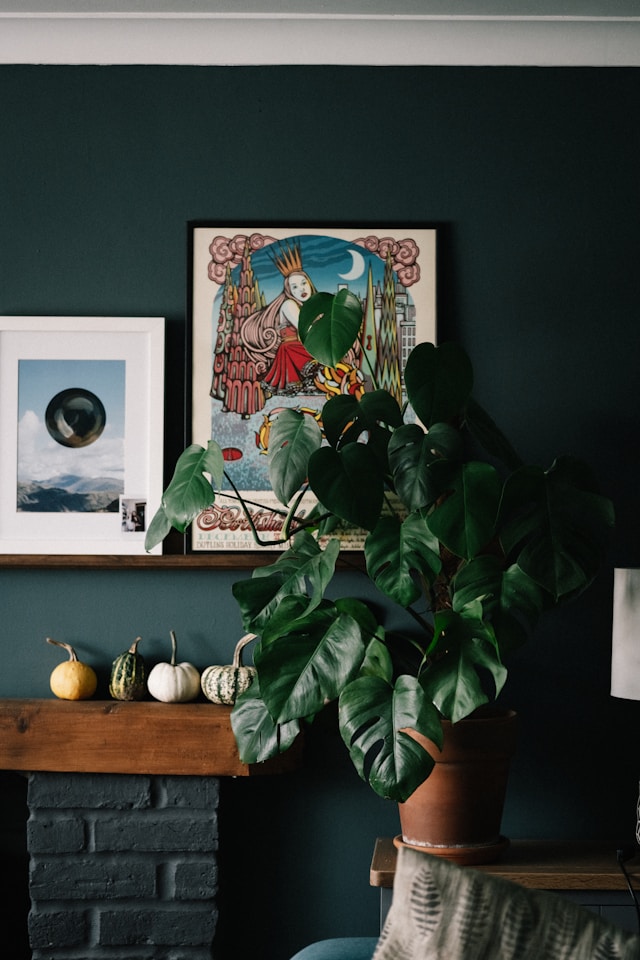
This technique encourages the eye to move naturally around the space, establishing flow and calm. Extract secondary colours from patterned wallpapers to inform textile choices. For example, burgundy motifs might inspire cushions in warm beige or cream, whilst botanical designs could guide plant selections and organic accessories.
Balancing Texture and Pattern: Avoiding Overload
Boldly patterned or textured accent walls demand restraint elsewhere to prevent visual cacophony. Excessive pattern creates restlessness, making spaces feel chaotic instead of curated. Surrounding your statement wall with solid-coloured rugs, plain linens, and unpatterned upholstery provides essential visual respite.
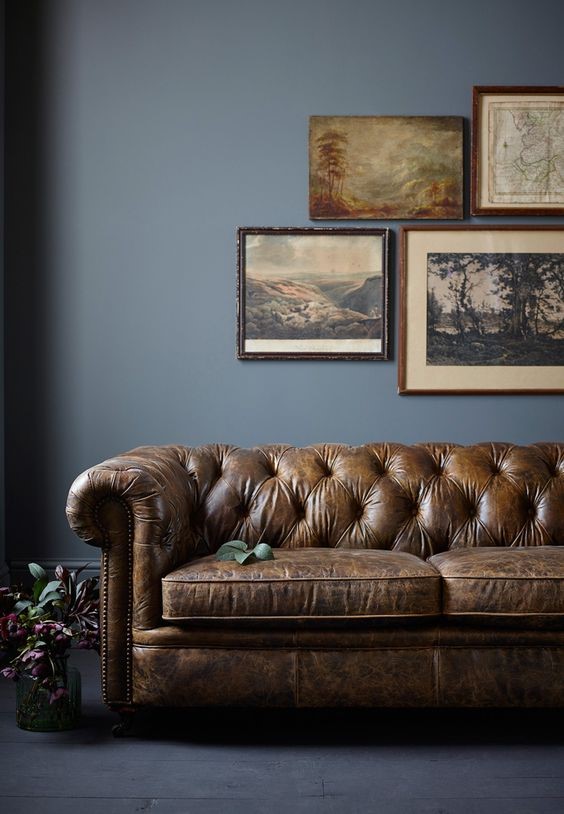
It’s important to layer warm, comforting tones through varied textures rather than competing patterns. Introduce tactile variety through material diversity, such as velvet throws against linen seating, chunky knit cushions on smooth leather, or woven baskets near polished wood surfaces.
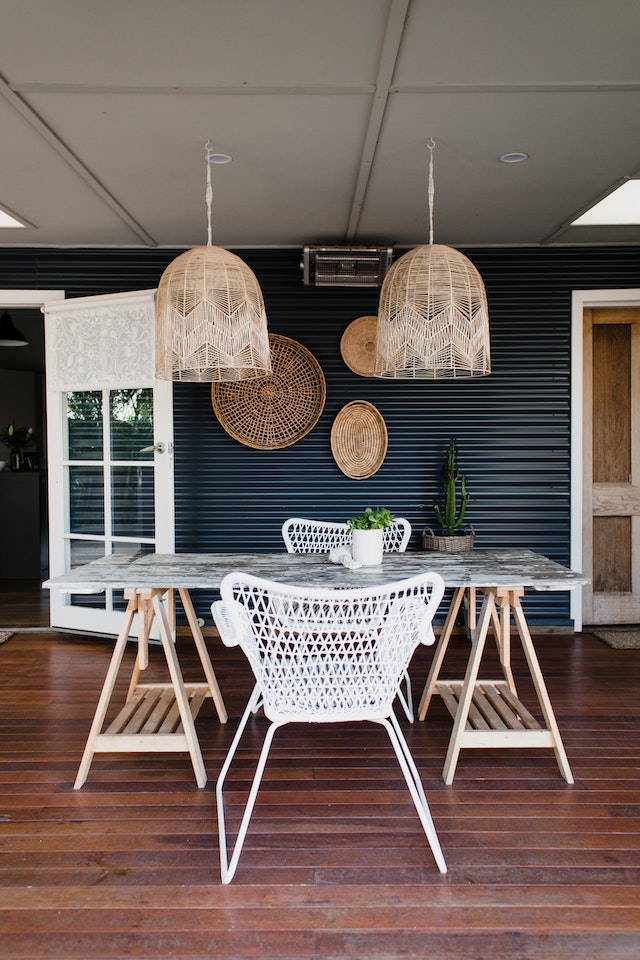
Natural materials like jute, rattan, and untreated timber offer textural interest without adding pattern complexity. This allows your accent wall to command attention whilst surrounding elements provide physical comfort and subtle visual engagement through texture alone.
Framing the Wall: Using Furniture to Highlight
Strategic furniture placement changes accent walls from isolated features into celebrated focal points. Position key pieces like sideboards, console tables, or upholstered benches centrally against the wall, creating intentional composition instead of haphazard arrangement. Leave generous wall exposure above and around furniture to showcase the luxury wallpaper fully, as this celebrates both the wall treatment and the furniture’s form simultaneously.
Lighting is equally important in this framing process, as the right illumination enhances colour depth and texture. Wall sconces, picture lights, or a well-placed floor lamp can draw attention to the accent wall in the evening, ensuring it remains a striking feature regardless of natural daylight conditions.
Low-profile pieces work particularly effectively, maximising visible wall area and preventing the room from feeling cramped. Consider floating furniture slightly forward rather than pushing everything flush against walls, creating depth and allowing the accent wall to breathe. Symmetrical arrangements provide classic balance, whilst asymmetrical groupings offer contemporary dynamism. Choose furniture proportions that complement instead of overwhelming the wall.
Coordinating accent walls with furniture and decor needs thoughtful colour selection, pattern restraint, and strategic placement that honours both the wall feature and surrounding furnishings. When treating the wall and its contents as a unified composition, you create harmonious spaces where every element increases the overall design vision.
© Copyright 2025 Antonia, All rights Reserved. Written For: Tidylife