One of the biggest shifts in home design over the past few years has been the desire to blur the line between inside and outside. Instead of treating the garden as a separate zone, more homeowners now see it as an opportunity to expand their living space without undertaking a full extension. With a few architectural elements and some thoughtful furnishing, an outdoor area can become a comfortable, stylish room that happens to be open to the sky.
Defining the space before decorating it
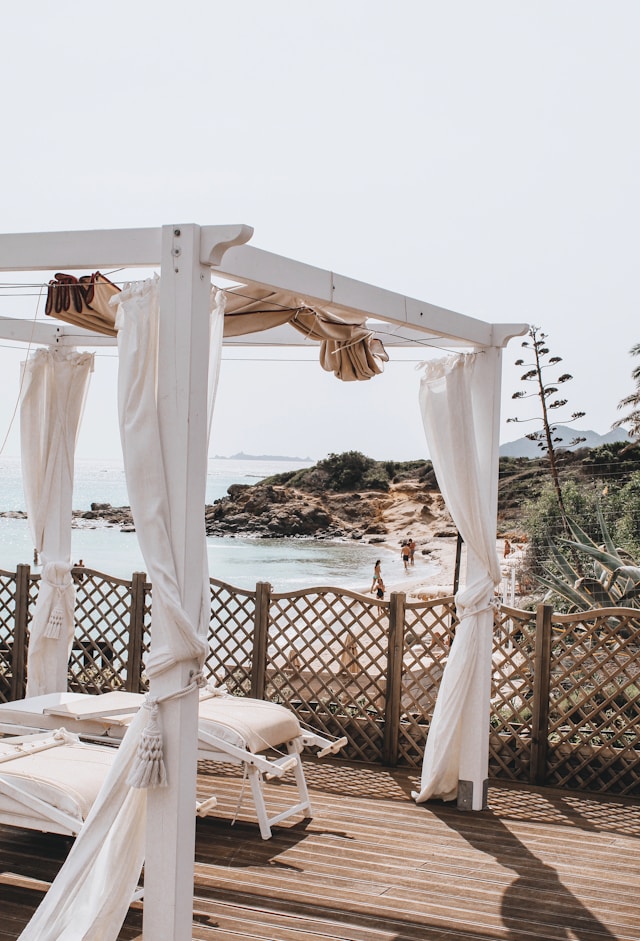
Just like any room indoors, an exterior living area needs structure before it needs decoration. A frame, overhead cover or partial enclosure helps create a sense of purpose and makes the space feel intentional rather than improvised. A pergola is often the first step: it provides visual boundaries, soft shade and a place to anchor lighting or curtains. Once this base is in place, furniture and accessories feel naturally integrated instead of floating in an undefined area.
Choosing comfort that can handle the weather
Outdoor furniture has evolved far beyond garden benches and folding chairs. Cushioned modular sofas, washable rugs and weather-resistant side tables create the same comfort levels as an indoor lounge, but with materials designed to last. Layering textiles (throws, cushions, even floor pads) helps the space feel welcoming while remaining practical. The goal is not to recreate a living room exactly, but to bring the softness and ease of interior spaces outside.
Creating shelter without building a full extension
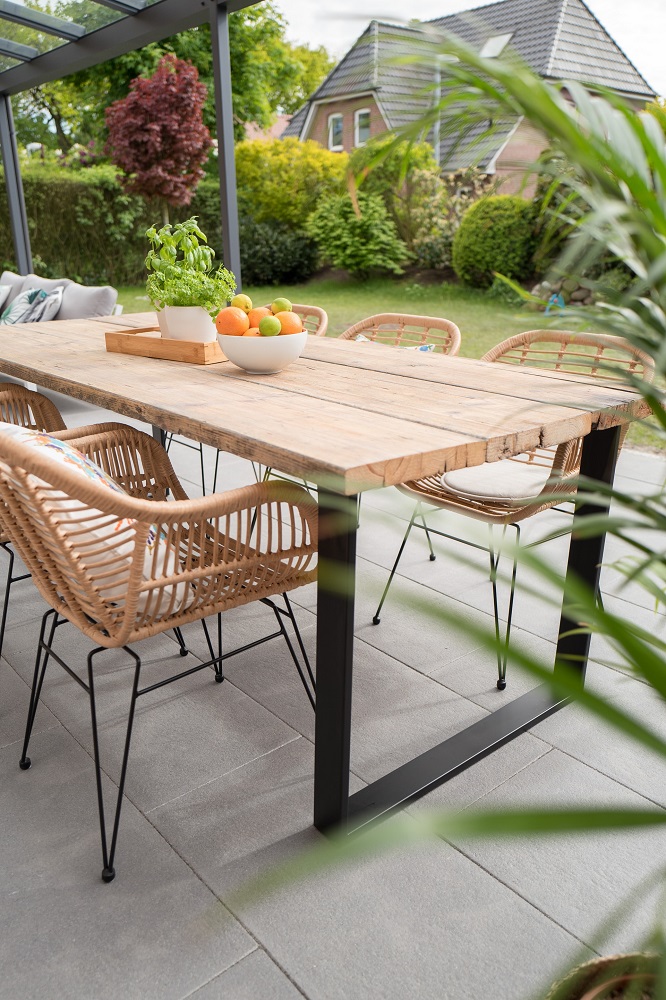
Turning a patio or terrace into a usable space all year does not require bricks and insulation. In many cases, an affordable veranda offers enough cover to protect from rainfall and harsh sun, making the area usable in more seasons. Because it uses lighter materials, it keeps the space bright and open, while still offering the sense of a defined ceiling that makes a room feel complete. It is a middle ground between a temporary canopy and a permanent construction.
Adding mood through lighting and layers
Once the structural elements are set, atmosphere makes the difference. Soft lighting, whether LED strips, lanterns or solar-powered spots, extends the space well into the evening. Plants add privacy and depth, creating the feeling of an outdoor cocoon. The more the area engages multiple senses (texture, scent, warmth, shade) the more it feels like a true extension of the home rather than an improvised sitting spot.
Transforming an exterior into a living room is not about decoration alone, but about intention. A few solid architectural choices set the foundation, and comfort naturally follows. When done well, the outdoors stops being a weather-dependent zone and becomes a place to read, host or unwind, just one step away from the rest of the house.
© Copyright 2026 Antonia, All rights Reserved. Written For: Tidylife