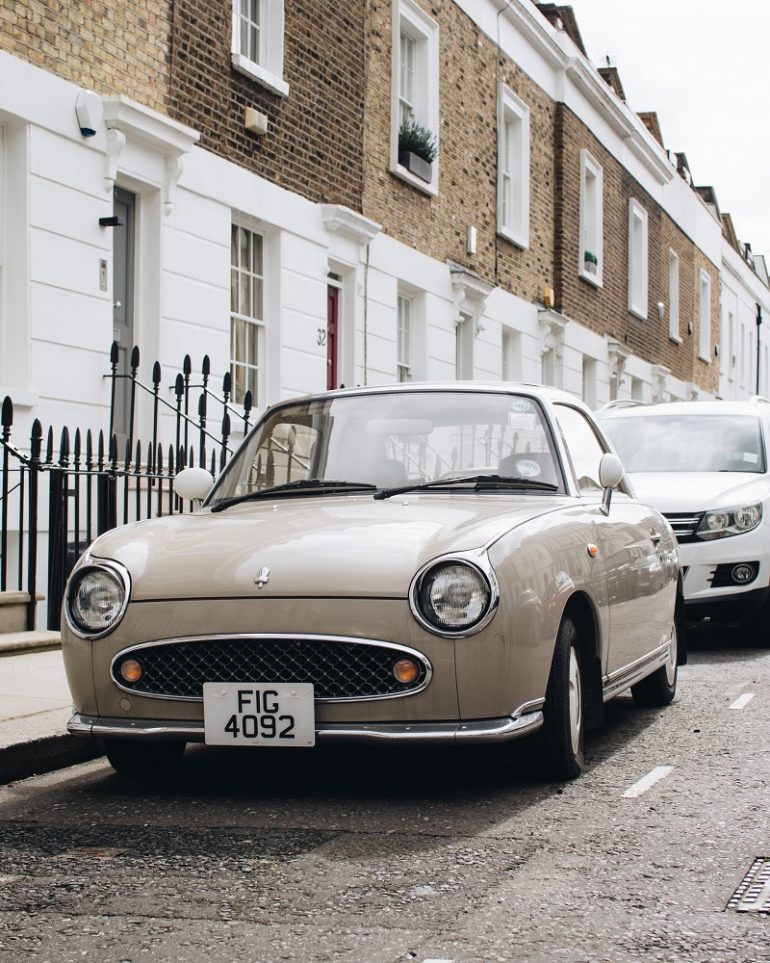
Buying a used car is definitely a smart financial decision, but you’ll only reap the benefits of this frugal move if you go in prepared. Prices of secondhand vehicles are fluctuating and demand is high, so it’s easy to overpay or miss warning signs if you rush the process. Here are the key things to consider before handing over any money, from understanding the market to checking a car properly in person. Think of it as a practical checklist to help you buy the right used car with confidence, with no regrets later on down the road.
Research the Used Car Market
The used car market has changed over the past two years. Prices have reached a two-year high as people increasingly opt for secondhand cars (especially low-emission vehicles) while fewer people are selling them. That means you need to be strategic, particularly if you want to buy a used electric car, which are becoming more popular as fuel costs rise and low-emission zones expand. Prices vary a lot depending on battery condition, mileage, and charging capability so take the time to browse reputable dealers so you can compare models and understand what represents fair value in today’s market.
Beyond the Purchase Price: Budget for Insurance, Tax, and Running Costs
Think of the sticker price as the starting point. Of course, there will fuel or charging costs. But you also need to figure out the other monthly expenses that can add up over time. Insurance premiums are a big one and can vary depending on engine size and the insurance group that your vehicle falls under. Then there’s road tax, MOTs, servicing, and repairs. And many people don’t realise that it also matters how you’ll pay for the car – using a traceable method such as a bank transfer or a credit card for the deposit will give you more protection than cash.
VFC Logbook, MOT, Tax Status, and other Key Legal and Safety Checks
Never skip the car paperwork checks. Use the online service provided by the DVLA to confirm the car’s registration details, tax status, and MOT history. Ask to see the V5C log book and check it physically yourself to make sure the seller’s details match. Also, getting a thorough vehicle history check done can reveal outstanding finance, previous write-offs, or mileage discrepancies.
What to Look for on Inspections and Test Drives
Taking the car for a quick spin will tell you far more than an advert ever will. As you drive, pay attention to how the car starts, whether the brakes respond quickly, and any unusual noises when you steer or accelerate. Do an inspection for tyre wear, bodywork dents and scratches, and the working condition of interior controls. If something doesn’t feel right or there are things that you think lower the value, be prepared to negotiate the price and walk away if the seller won’t budge. Remember, in today’s market, there will always be another car.
Buying a Used Car, the Right Way
Buying a used car is generally good value. But be cautious. By understanding the current market, budgeting realistically, doing thorough checks, and trusting your instincts during inspections, you’ll drive away with a car that suits both your needs and your budget.
© Copyright 2026 Antonia, All rights Reserved. Written For: Tidylife