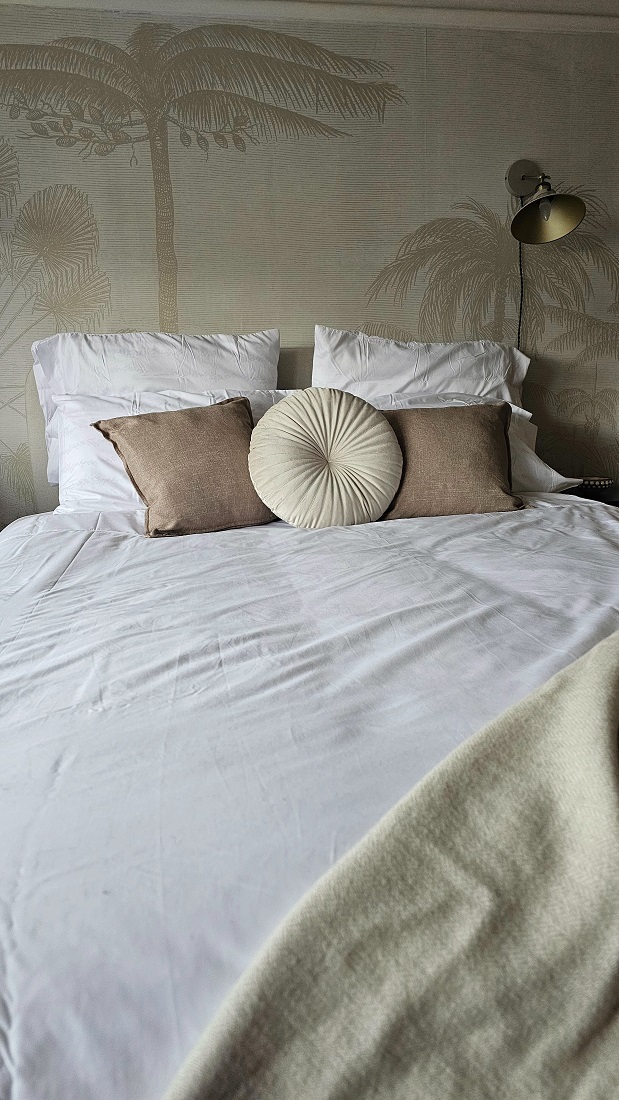
Sometimes the most powerful home refresh doesn’t start with paint or furniture – it starts with how well you sleep.
As part of my planned bedroom refresh, I began with something foundational: a new mattress. Before I tackle the finishing touches (paint, rugs, lighting – all coming soon), I wanted to prioritise comfort, recovery, and rest.
So I’m trialling a hybrid mattress from Simba Sleep – and sharing why this felt like the right place to begin.
This post is in collaboration with Simba Sleep. I was gifted the mattress, but as always, I only share products I genuinely love and would recommend.
Why sleep matters more in midlife
If you’re anything like me, you’ll know that sleep changes as we get older.
Hormones, joints, temperature regulation, stress – they all play a part. For me, comfort and support have become non-negotiable. I want a mattress that supports my back and hips, regulates temperature and feels inviting at the end of a long day.
Better sleep equals better energy, mood, recovery and better everything.
Why I like the hybrid mattress
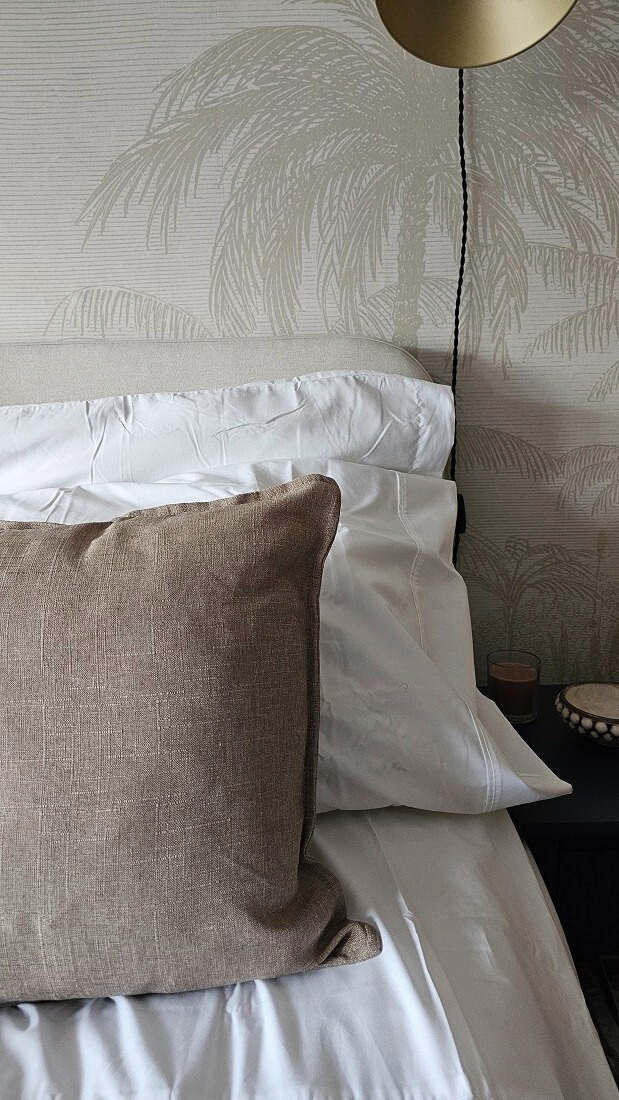
Hybrid mattresses combine comfort layers (foam) with pocket springs underneath, giving you structure and support with softness on top.
Simba’s hybrid mattress design is created to:
-
adapt to your body shape
-
reduce motion transfer (so you’re not disturbed by movement)
-
help regulate temperature
-
support joints and spine alignment
The mattress arrives vacuum-packed, expands within hours and is designed to suit different sleeping positions – which is ideal if, like me, you change position through the night from back to side.
First night on the Simba – honest thoughts
After just one night on the Simba Hybrid Mattress, I genuinely noticed a difference.
The surface feels smooth and supportive rather than soft and sinky, and I woke up feeling noticeably less achey – especially through my hips and lower back. It made me realise just how tired our old foam mattress had become after nearly ten years of use.
It’s early days, but that first night felt calm, comfortable and properly restorative – which is exactly what I hoped for. Sometimes you don’t realise how much your body has been compensating until you sleep on something better.
When should you replace your mattress?
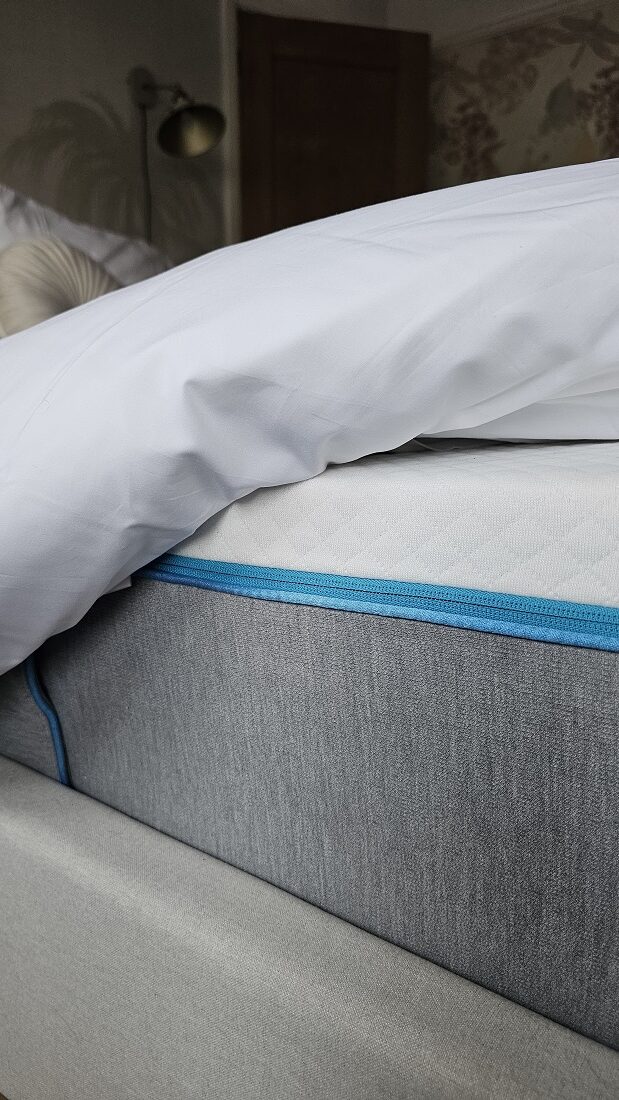
Most mattresses don’t suddenly ‘fail’ – they just quietly lose support over time.
As a general guide:
-
Memory foam mattresses: around 7–10 years
-
Hybrid mattresses (foam + springs): around 8–12 years
Even if your mattress still looks fine, the internal structure slowly breaks down.
Signs it might be time to replace yours:
-
You wake up feeling stiff or achey (me every morning)
-
Your hips or lower back feel unsupported
-
You notice dips or body impressions
-
You toss and turn more
-
Your sleep quality has gradually declined
Much of this was the case for me. After nearly ten years on a foam mattress, I hadn’t realised how much support I’d lost – until I slept on something new and immediately felt the difference.
If you’re waking up tired or sore and your mattress is over seven years old, it’s often the mattress – not you. Which is kind of reassuring!
Are hybrid mattresses better than memory foam?
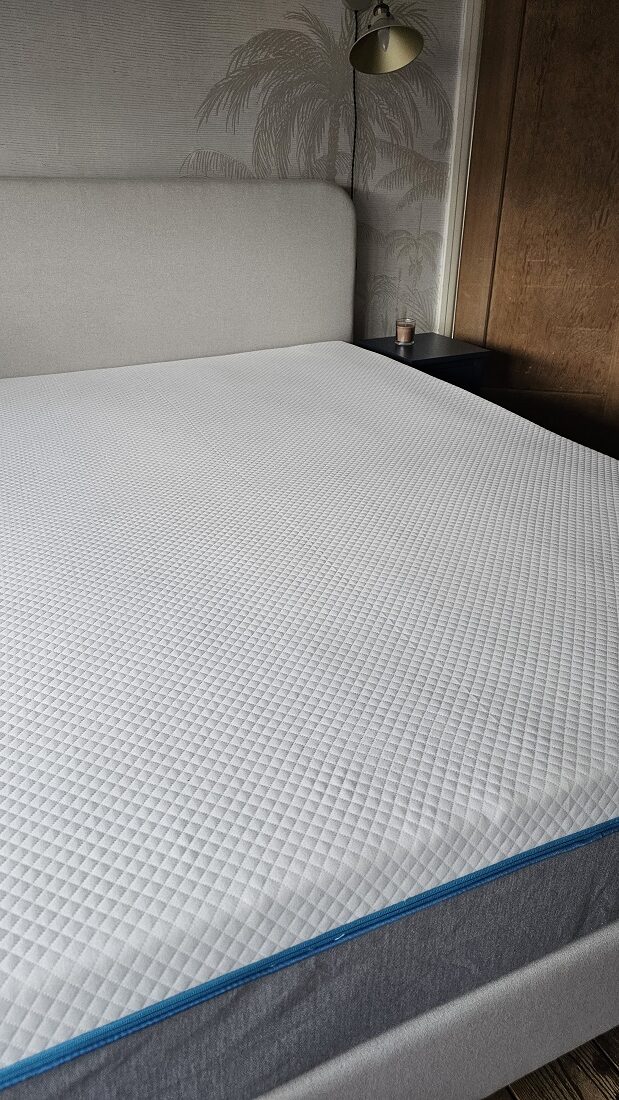
Hybrid mattresses use individually wrapped pocket springs underneath their comfort layers. These aren’t old-fashioned coils – each spring moves independently, which means:
-
your weight is distributed more evenly
-
hips and shoulders get targeted support
-
movement from a partner is reduced
-
airflow is improved
Memory foam mattresses rely entirely on foam for both comfort and support. Over time, that foam can soften and collapse, especially around the hips and lower back.
Hybrid mattresses tend to:
-
feel more supportive
-
feel less ‘sink-in
-
be easier to move on
-
keep you cooler
-
hold their shape for longer
For many people in midlife, that combination can make a real difference to comfort and joint support.
Why I downsized from a super king to a king (and don’t regret it)
For years we’d had a super king bed – mainly because when the kids were little they’d often climb in, and extra space felt essential. When we replaced our last mattress, we simply went like-for-like without really thinking about whether it still suited our stage of life.
More recently, as I started thinking about storage and refreshing the room, I suddenly realised just how much space the bed was taking up.
This time, I chose a king instead and it’s been such a good decision.
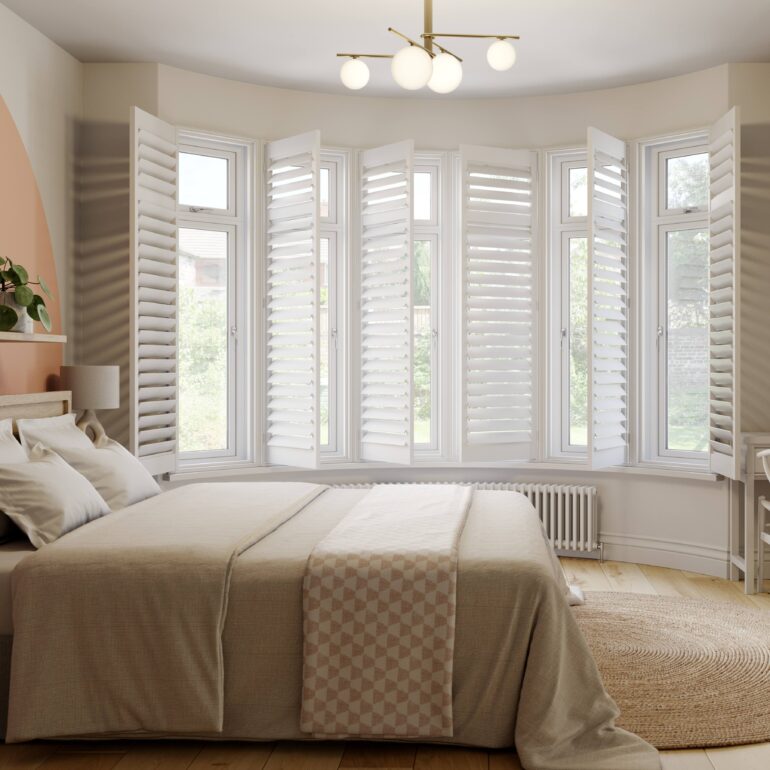
It doesn’t feel dramatically smaller, but visually it’s made a big difference. When you walk into the bedroom now, the bed no longer dominates the space. The room feels lighter, calmer, and more balanced with better flow around the furniture.
I also opted bought a bed frame with legs and space underneath rather than another divan. Divans are practical, but they can feel quite chunky and heavy in a room. Having visible floor space under the bed instantly makes the bedroom feel airier and more European in style – a vibe I definitely wanted to go for this time… I’m thinking Parisian apartment style!
A bedroom refresh in stages
I’m refreshing the main bedroom gradually – starting with sleep, then moving on to the styling and decor as with better sleep I will feel more motivated and energised to complete the makeover!
The new bed frame is in, walls are to be painted and the full room glow-up is coming soon.
Sometimes glow-ups happen in layers – and better sleep felt like the perfect place to begin.
Stay tuned
I’ll be sharing how I sleep on the Simba after a week, how it supports my back and hips and the finished bedroom reveal.
If you’re thinking about upgrading your mattress or simply prioritising rest, I’ll keep this review honest and updated. After my first good night’s sleep in ages, I am smiling and feeling optimistic!
© Copyright 2026 Antonia, All rights Reserved. Written For: Tidylife