When you are raising a baby boy, advice comes from everywhere. People talk about milestones, routines, and parenting philosophies. However, very little attention is given to the everyday decisions that quietly shape how your days actually feel.
These are not the once-in-a-while choices, but the ones you repeat daily. For example, what your baby wears, how feeding fits into your schedule, how sleep transitions happen, and how your home adapts to constant use.
These choices do not sound big, yet they influence comfort, mood, mess, and mental load more than parents expect. Over time, families realize that smooth days are not created by perfect plans – they are created by practical daily systems that work in real life.
That being said, let’s know the prominent everyday choices that matter for your baby boy!
1. Clothing Choices: What Your Baby Wears Affects Your Entire Day
Clothing is one of the first things parents interact with every morning – and often multiple times a day. Outfit changes happen after feeds, naps, spills, and unexpected messes. When clothes are uncomfortable, complicated, or impractical, they slow everything down.
This way, parents quickly learn that baby boy clothing needs to support real routines, not special moments. The good news? Some reliable brands like Gerber Childrenswear focus on comfortable everyday wear because most baby clothes are used repeatedly, not occasionally. So, you can sort some of the pieces from there.
In fact, clothing that’s easy to put on, gentle on skin, and flexible through movement makes a noticeable difference during:
- Early mornings when routines are already disrupted.
- Quick changes between feeds and naps.
- Busy moments when patience is low.
When clothing works with your baby’s rhythm, dressing becomes a smooth part of the day instead of a recurring stress point.
2. Feeding Choices: How Food Fits Into Your Routine Matters
Feeding a baby boy is not just about nutrition – it is about timing, comfort, and flow. Whether you’re breastfeeding, bottle-feeding, or starting solids, feeding moments happen frequently and often interrupt other activities.
Parents who struggle most are usually trying to stick to rigid expectations. In reality, feeding works best when it fits naturally into your day. Choices like:
- Creating calm, consistent feeding spaces.
- Allowing flexibility in timing.
- Accepting that mess is part of the process.
They all make feeding feel less stressful. When feeding is treated as part of daily life rather than a performance, babies stay calmer, and parents feel less pressure. Over time, this flexibility builds confidence and reduces emotional fatigue around meals.
3. Sleep Choices: Small Transitions Matter More Than Perfect Schedules
Sleep is one of the most talked-about topics in parenting, yet many parents overlook the small decisions that shape sleep quality. Well, it is not just about bedtime – it is about transitions throughout the day.
How your baby moves from play to rest, how naps are supported, and how sleep cues are handled matter more than strict schedules. Babies respond best to consistency in signals, not clock times. Simple choices like:
- Keeping pre-sleep routines predictable.
- Avoiding overstimulation before rest.
- Creating a familiar sleep environment.
They help babies settle more easily. When sleep transitions feel smooth, parents experience fewer power struggles and less exhaustion. Sleep becomes a rhythm rather than a constant challenge.
4. Home Choices: How Your Space Supports (or Fights) Daily Life
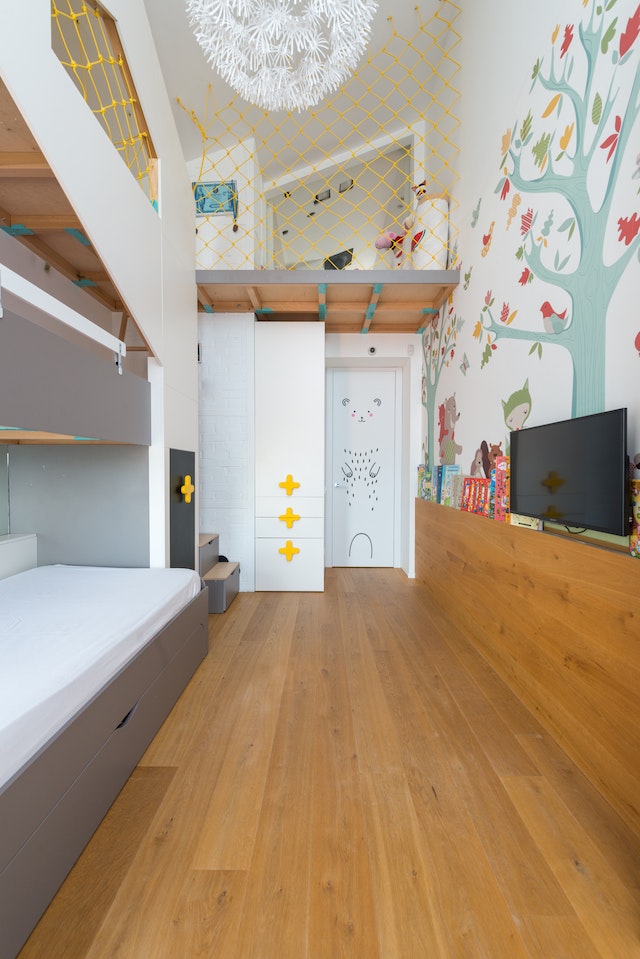
Raising a baby boy transforms how your home is used. Items are touched constantly, spaces shift roles, and clutter appears faster than expected. The mistake many parents make is trying to maintain old standards instead of adapting systems.
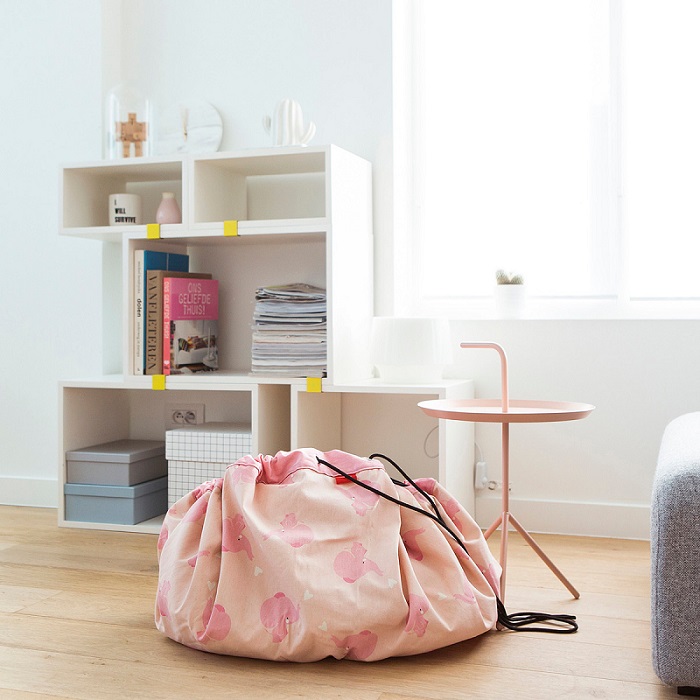
On the flip side, homes function better when daily-use items are easy to access, store, and reset. Clothing, feeding tools, and sleep essentials that rotate frequently should live where they are needed most. When parents adjust their space to match reality, not ideals:
- Clean-up takes less time.
- Transitions feel smoother.
- Mental clutter reduces significantly.
A home that supports daily routines helps parents feel more in control – even on unpredictable days.
To Sum It All Up!
Raising a baby boy is not defined by big decisions alone. It is shaped by the everyday choices parents make again and again. Be it the clothing that supports routines, feeding that fits real life, sleep transitions that feel natural, and a home that adapts instead of resists. When these daily systems work together, parenting feels lighter, calmer, and more manageable.
Last but not least, the goal is not perfection – it is choosing what truly supports your baby and your family, one ordinary day at a time.
© Copyright 2025 Antonia, All rights Reserved. Written For: Tidylife