By the first frosts, the outdoor beds have usually slowed down. Move tender pots under cover, keep a few trays of salad leaves going and use the brighter space for early sowings that are not ready for the cold.
The choice depends on what will stay inside from November onwards. A gardener keeping herbs and overwintering plants has different needs from someone trying to extend the tomato season. Available light, ventilation, insulation and the amount of regular checking should shape the decision before size or appearance enters the discussion.
Decide what winter growing means at home
A sheltered structure does not turn January into July. Hardy leafy crops, young plants and dormant plants in pots have different needs from tomato plants kept in active growth. The basic tomato growing requirements include warmth, good light and protection from frost. Keeping them productive deep into winter may require more warmth and light than an unheated greenhouse can provide.
Before looking at models, list what will be inside from November to February and how much time you want to spend checking temperature, watering and airflow.
Measure the garden before choosing a model
Measure the proposed footprint rather than judging the empty corner by eye. Mark it with string, then check whether nearby gates still open and whether there is enough room to carry pots, clean the glazing and reach the base.
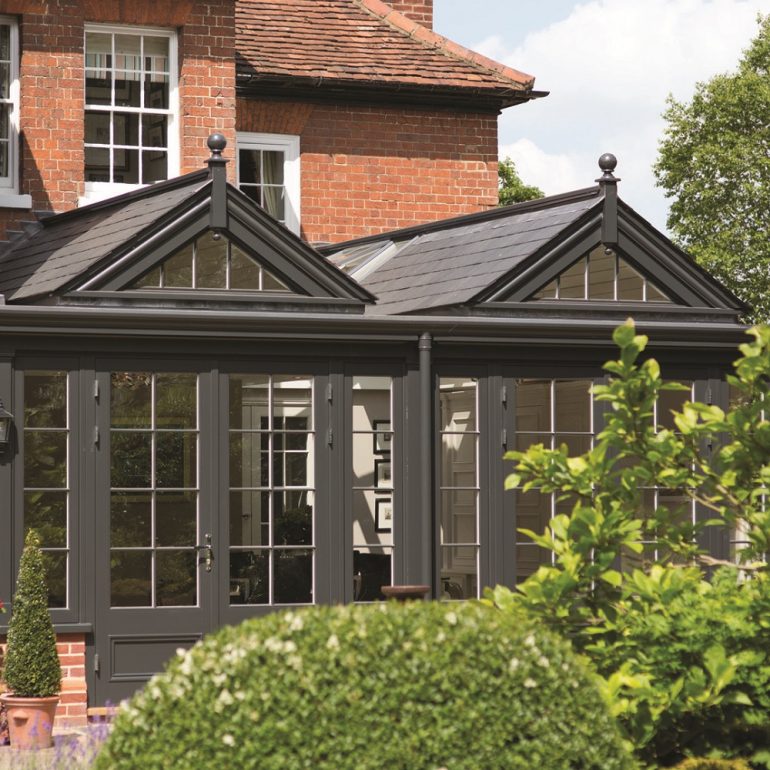
Once the footprint and intended winter use are clear, the main choices are easier to narrow. Find your perfect greenhouse among freestanding and lean-to models in aluminium or wood, then choose a size that leaves room outside for cleaning the glazing, reaching the gutters and checking the base.
Compare the frame, glazing and working layout
Listings for greenhouses for sale often lead with width, colour and finish. Those details matter, but so do the eaves height, door position and clear floor space left after staging is installed.
Aluminium frames need little routine upkeep and have slim glazing bars. Timber can sit more softly beside fencing, brick and planting, although it needs periodic care. Glass admits more light, while polycarbonate is lighter and more resistant to breakage. Toughened glass is the safer glass option around doors and places where someone could fall against the glazing.
A greenhouse for sale at an appealing price may still be poor value if the price excludes vents, staging, a suitable base or delivery. Read the specification carefully and compare what is included rather than relying on the headline price.
Use winter light before adding more heat
Winter sun sits lower and nearby buildings, sheds or evergreen planting can cast long shadows. Watch the proposed position in the morning and afternoon before settling on it. A bright site makes better use of the shorter day.
Clean glazing matters more in winter because dirt, algae and fallen leaves reduce the light reaching plants. Keep taller pots from crowding smaller ones and avoid filling every shelf simply because the space exists.
Insulation can help retain warmth, but it should not block more light than necessary. Heat only the area and plants that need it. If winter heating or lighting is planned, follow basic outdoor electrical safety measures by using weather-resistant equipment and connections, keeping them dry and ensuring suitable RCD protection.
Keep air moving throughout the year
A closed greenhouse can collect moisture during winter. Damp air, wet compost and crowded foliage create conditions in which grey mould can spread more easily. Sensible plant spacing, prompt removal of dead material and opening vents in suitable weather help reduce humidity around the plants.
In summer, the same vents release excess heat. Roof ventilation is useful because hot air rises, while a door or lower vent supports movement through the structure. Automatic openers help when nobody is home, but they work best alongside regular checks.
Greenhouses UK households use throughout the year need different care as the seasons change. Temperature, light and humidity vary from week to week, so vents, watering and plant spacing need regular checks.
Plan the inside around the work
Staging uses height well, but it should not leave a path too narrow for compost bags, pots or a wheelbarrow. Put frequently used trays at a comfortable level and keep heavy containers near the floor. A small clear bench for sowing and potting is often more useful than another shelf packed with plants.
A nearby tap is convenient, while a water butt can collect roof runoff where the guttering allows it. Keep containers clear of the entrance so winter visits do not involve squeezing past wet equipment.
Hand tools, labels and twine belong nearby, but bags of compost and bulky equipment can quickly turn a growing space into a shed.
Check planning, delivery and the full cost
Planning requirements vary by location, property, position and size. In England and Wales, use the Planning Portal to identify the relevant local planning authority and confirm whether permission is needed. Elsewhere in the UK, check with the local council before ordering.
Measure side passages, gate widths and sharp turns between the road and the garden before delivery. Panels that fit the base may not fit the route to it.
The final cost includes more than the frame. A stable base, installation, ventilation, staging, maintenance and any winter heating all belong in the calculation.
Choose for the garden you have
A model can fit the measurements and still feel cramped once winter pots, trays and a watering can are inside. Leave enough space to turn near the door, reach the glazing and carry things in without moving plants out of the way each time. In daily use, that matters more than filling every centimetre left along the boundary.
Once those practical points are settled, size and finish become easier to judge. A structure suited to the site and the way it will be used is more likely to remain useful through winter and into the next growing season.
© Copyright 2026 Antonia, All rights Reserved. Written For: Tidylife