As the UK continues to prioritise decarbonisation in residential housing, homeowners and developers are increasingly looking for ways to balance energy efficiency with comfort and aesthetics. Heating systems are under particular scrutiny, as they account for a significant share of household emissions. This shift has placed renewed attention on how interior features – especially focal heating elements like fireplaces – can support low-carbon goals when designed and installed thoughtfully.
Modern sustainable construction is no longer just about insulation and glazing; it also considers how internal heat is generated, retained, and distributed. Fireplaces, once seen primarily as decorative or traditional heat sources, are now being re-evaluated through the lens of efficiency, fuel type, and integration with renewable systems.
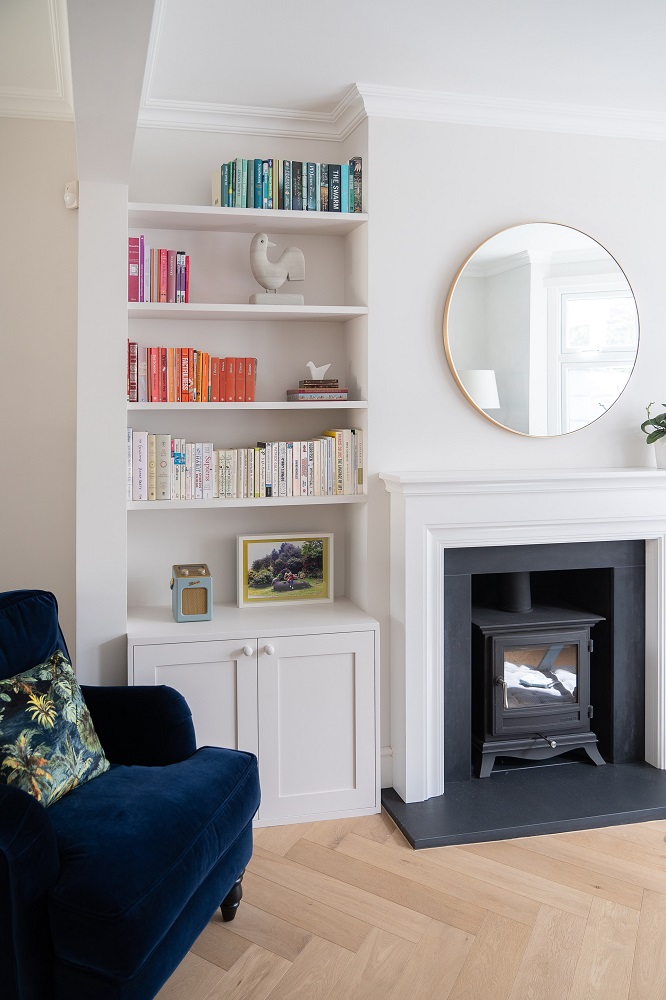
In this evolving design landscape, choosing the right interior finishing elements matters more than ever. Homeowners exploring renovation ideas can now compare a range of solutions, including stylish fireplace surround options that complement both contemporary low-energy homes and retrofitted properties aiming for improved thermal performance.
Fireplaces in the Low-Carbon Home: Function Meets Design
Fireplaces today are no longer standalone heat sources in most energy-conscious homes. Instead, they often work in tandem with central heating systems, heat pumps, or zoned heating strategies. When properly specified, they can provide efficient supplementary heat and reduce reliance on high-carbon peak-time energy use.
From a design perspective, fireplaces also play a role in passive comfort. A well-placed fireplace can create a thermal focal point that improves perceived warmth, allowing occupants to lower thermostat settings without sacrificing comfort. This psychological effect is increasingly recognised in sustainable housing design strategies.
According to reporting by the BBC on home energy efficiency trends, improving household heating systems remains one of the most impactful ways to reduce emissions at scale. BBC Climate Solutions – Home Heating Efficiency
Efficiency and Fuel Choice: What Matters Most
The environmental impact of a fireplace depends heavily on the fuel source and system design. Traditional open fires, while visually appealing, are among the least efficient options due to significant heat loss through chimneys. In contrast, modern sealed systems and electric alternatives can dramatically reduce energy waste.
Key efficiency considerations include:
- Fuel type: Wood, gas, electricity, or bioethanol each carry different carbon profiles
- Heat retention: Enclosed systems retain significantly more heat than open hearths
- Airflow control: Adjustable vents improve combustion efficiency
- Integration: Compatibility with heat pumps or district heating systems
A Forbes analysis on residential decarbonisation highlights that hybrid heating approaches—combining electrified systems with efficient secondary heat sources—are increasingly seen as a transitional solution in older housing stock. Forbes – The Future of Home Heating Systems
Interior Design Meets Sustainability: Choosing the Right Surround
As energy performance standards tighten under UK building regulations, homeowners are also investing in materials that support thermal efficiency while enhancing interior aesthetics. Fireplace surrounds are a key part of this design equation, influencing both heat reflection and room integration.
At this stage of planning, many homeowners explore stylish fireplace surround options that align with modern sustainability principles while still delivering visual impact. Materials such as stone composites, engineered timber, and recycled finishes are becoming increasingly popular in eco-conscious renovations.
Fireplace surrounds now serve multiple roles:
- Framing high-efficiency fire systems for improved heat direction
- Supporting insulation continuity around chimney breasts
- Enhancing durability while reducing embodied carbon
- Contributing to a cohesive, low-energy interior design strategy
The choice of surround is no longer purely aesthetic—it is part of the broader building performance strategy.
Comparing Modern Fireplace Systems for Low-Carbon Homes
To better understand how fireplaces fit into sustainable housing, it is useful to compare common systems used in UK homes today.
| System Type | Energy Efficiency | Carbon Impact | Best Use Case |
| Open wood fire | Low | High | Occasional use, heritage homes |
| Closed wood stove | Medium | Medium | Rural properties with wood supply |
| Gas fireplace | Medium-High | Medium | Urban homes with gas infrastructure |
| Electric fireplace | High | Low (grid-dependent) | Apartments and retrofits |
| Bioethanol fire | Medium | Low | Decorative, vent-free installations |
Each system has a role depending on property type, insulation level, and access to renewable energy sources. Increasingly, electric and hybrid systems are preferred in new builds aligned with low-carbon standards.
Policy Pressure and the Shift Toward Cleaner Heating
UK housing policy continues to push for improved energy performance through initiatives such as EPC upgrades and heat decarbonisation targets. These policies are reshaping how homeowners approach heating system upgrades, including secondary heat sources like fireplaces.
The BBC has reported extensively on government efforts to phase down fossil fuel heating systems in favour of heat pumps and electric alternatives, particularly in new-build housing.
Similarly, Business Insider has highlighted how rising energy costs and regulatory pressure are accelerating the shift toward electrified heating solutions across Europe, including the UK residential sector.
Within this context, fireplaces are evolving rather than disappearing. They are increasingly being designed as efficient, complementary heating elements rather than primary heat sources, especially in well-insulated homes where energy demand is already reduced.
Materials, Heat Behaviour, and Sustainable Interiors
Beyond system choice, the materials used in fireplace construction also influence overall energy performance. Dense materials such as stone and engineered concrete can help retain and slowly release heat, contributing to more stable indoor temperatures.
Meanwhile, lightweight surrounds and reflective surfaces can direct heat more effectively into living spaces. This is particularly relevant in compact urban homes where maximising usable heat output is essential.
Designers are also considering lifecycle impact, selecting materials that reduce embodied carbon and support circular construction principles. This aligns with broader sustainability goals in UK housing policy and modern architectural practice.
In the context of low-carbon building design, fireplaces are no longer treated as isolated decorative features but as integrated components of a wider energy strategy. Their efficiency, fuel source, and surrounding materials all contribute to how effectively they support modern sustainable living standards while maintaining comfort and visual appeal.
© Copyright 2026 Antonia, All rights Reserved. Written For: Tidylife