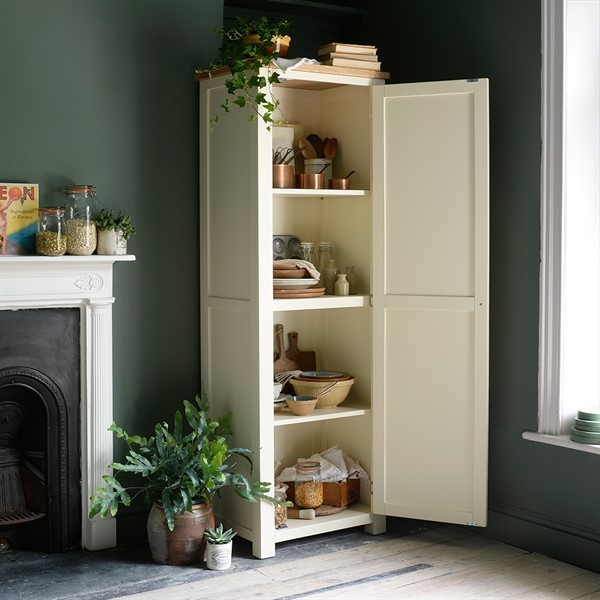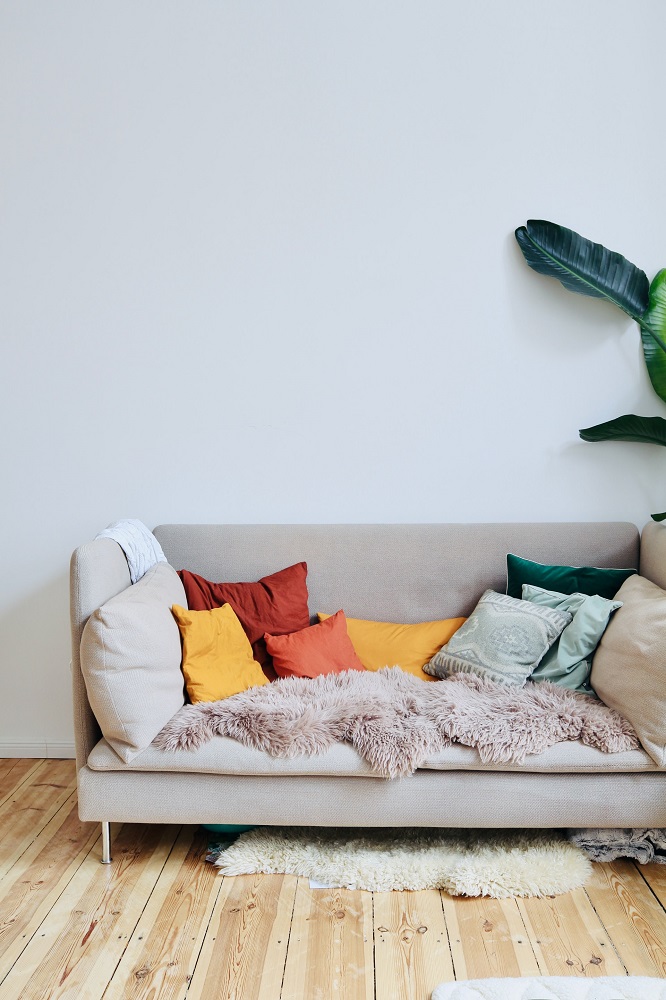
If you’d like to bring a modern twist to your home, then the right combinations of colours might create the desired effect. There are countless colours to choose from, and they can be juxtaposed in a variety of ways. Fortunately, we can rely on a few basic principles of colour theory and of general good taste to guide us.
The Power of Colour in Home Design
The colours we’re exposed to can have a big impact on our mood and disposition. This might vary from person to person and from space to space. What works in a living area might not be so effective in a study, and vice versa. If you want to feel calm, then you might look for a pale shade of blue, brown or green. If you want to focus, then yellow might be more appropriate.
You’ll want to experiment with various hues and see what effect they have on your state of mind as you’re engaged in different activities.
Breaking the Rules—Why Unusual Combos Work
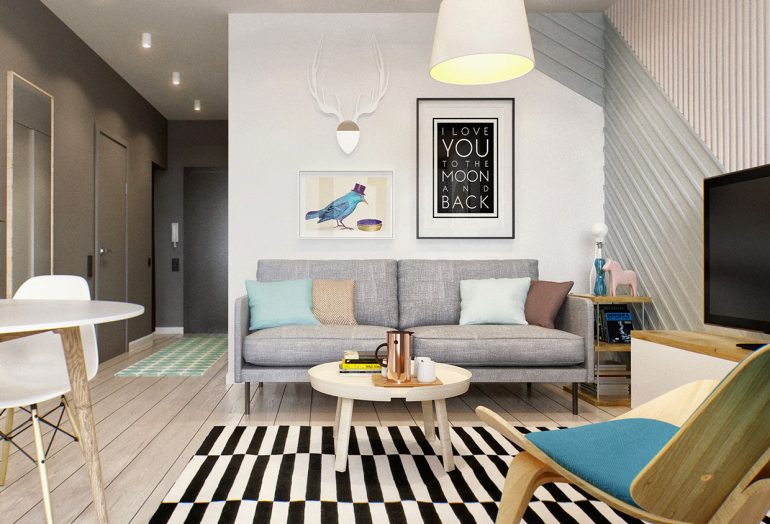
Of course, there are many traditional colour combinations. These can be complementary, which means taking colours from opposite sides of the colour wheel, or analogous, which involves sampling near-adjacent hues. Orange works with red, but it also works (famously) with blue.
While it’s worth learning the theory, it’s only by deviating from convention that we can create the really striking effects. Navy blue and lilac, for example, probably shouldn’t work, but with a little effort, it does.
Where to Try Bold Colour Pairings at Home
If you’re going to be really bold and experimental, it’s worth doing it in a room that you’re willing to repaint when things go wrong. This will give you the freedom you need to take risks. Living rooms, spare bedrooms, and under-stair storage might all benefit from a little burst of boldness. They represent a great chance to be inventive!
Tips for Getting Started with Colour
If you’re not yet used to playing around with colour, then there are a few principles worth following. The first is that you should never make decisions solely based on the hues you see on a screen or on paper. Paint samples are obligatory.
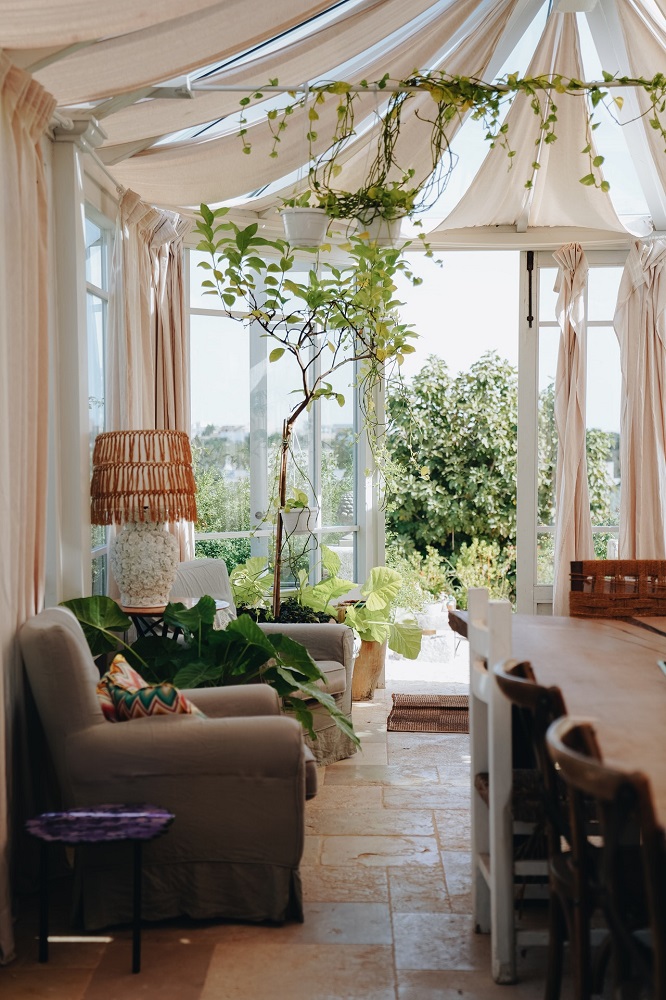
You might also use non-paint sources of colour to help balance out a given space. Upholstery, carpets, and curtains might all contribute to the overall look of the room. Finally, getting comfortable with colour means becoming a practised observer of it. Have fun experimenting, and you’ll naturally get better at putting colours together in a pleasing way.
© Copyright 2026 Antonia, All rights Reserved. Written For: Tidylife