We all know how stressful moving into a new home can be but planning an interior before moving day can make an unfamiliar property feel like a much more manageable and less intimidating proposition. The useful work is practical: deciding how rooms should function, checking measurements, identifying a visual direction and preparing essential details.
A clear framework means fewer rushed (and ultimately regretted) purchases while leaving plenty of room to expand and adapt later.
Start With How You Want to Live
Begin with activities rather than aesthetics. List what needs to happen in each room. A living room might support quiet evenings and gatherings, while a spare bedroom could combine guest accommodation, work and storage. Those requirements should guide furniture placement and lighting.
Floorplans and smart room layouts are always the foundation of functional, comfortable interiors. Rather than pushing furniture against walls, consider conversation distances, focal points and clear routes between doors. Sketch several arrangements before choosing.
Build Your Interior Around the Space
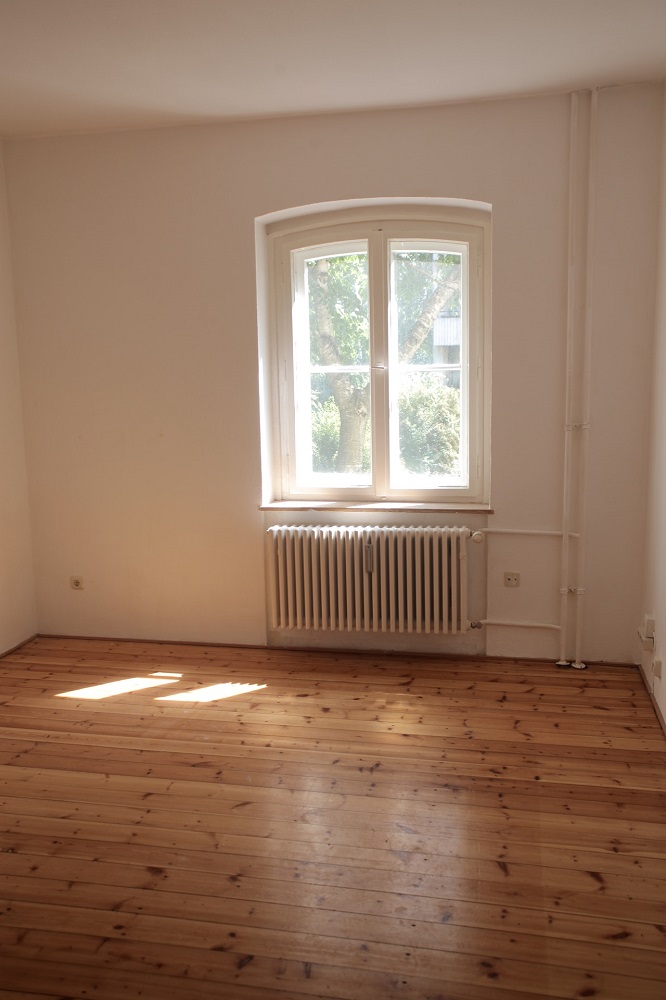
Obtain a floor plan, then verify the measurements. Record wall lengths, ceiling heights, alcoves, radiators, sockets and the direction in which doors open. Measure existing furniture as well as possible purchases. Remember that a sofa must travel through the entrance, hall and staircase before fitting its final position. You can go further by using masking tape or paper templates to mark larger pieces on the floor. This reveals whether there is enough circulation space and whether drawers and cupboard doors can open fully.
Observe natural light at different times. A colour that appears warm on a sample image may look cooler in a north-facing room. Try to let daylight guide the colour palette too, as the way light naturally falls on your space will always influence the way colour works with it. Order paint and fabric samples to test your colour theories out in real life rather than judging solely from screens.
Make a Style Work Throughout the Home
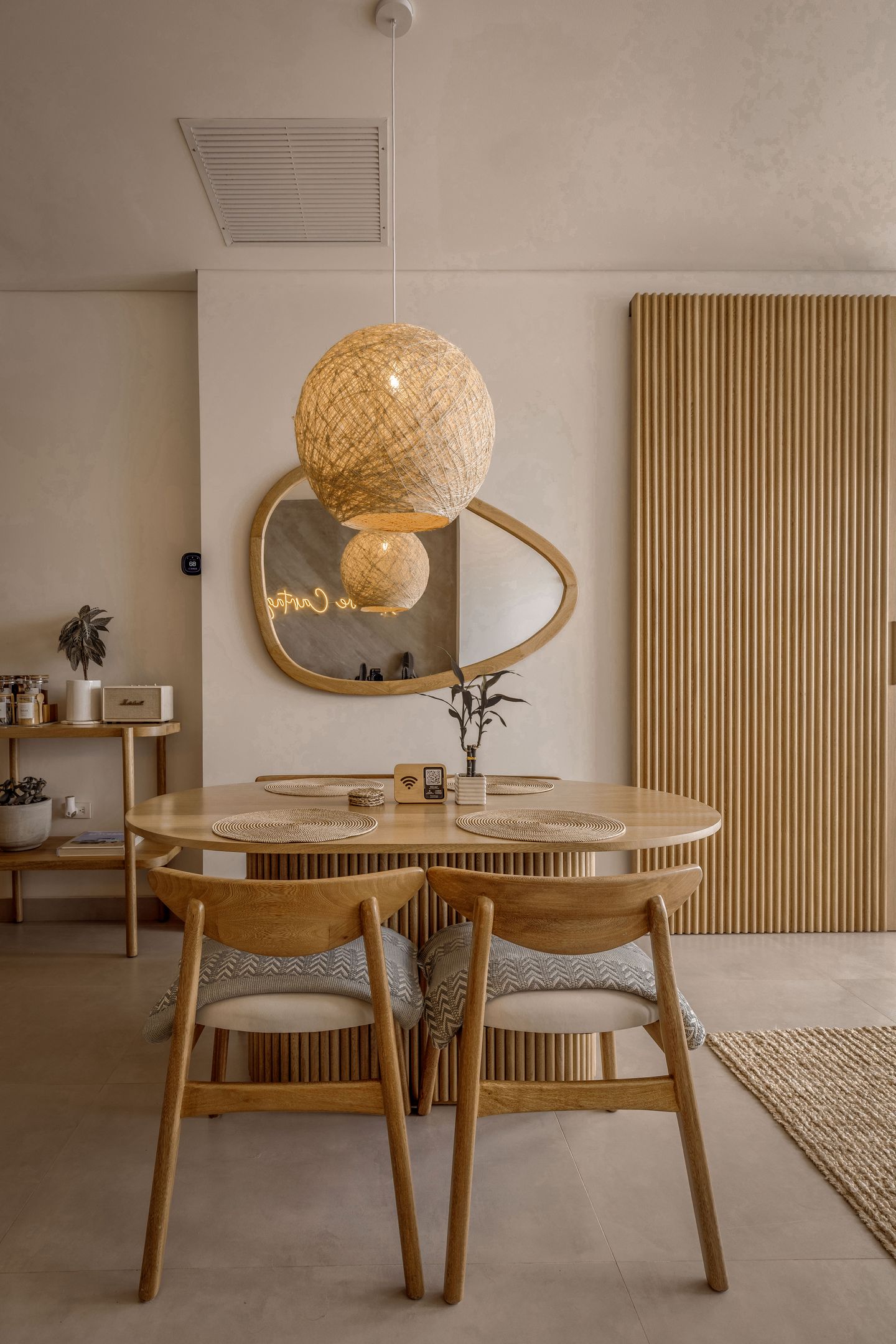
For those choosing new houses, planning the interior in advance can help create a coherent starting point from moving day. Choose a restrained palette of colours and materials that can recur in different proportions. Repeating a wood tone, metal finish or accent colour can connect rooms without making them identical.
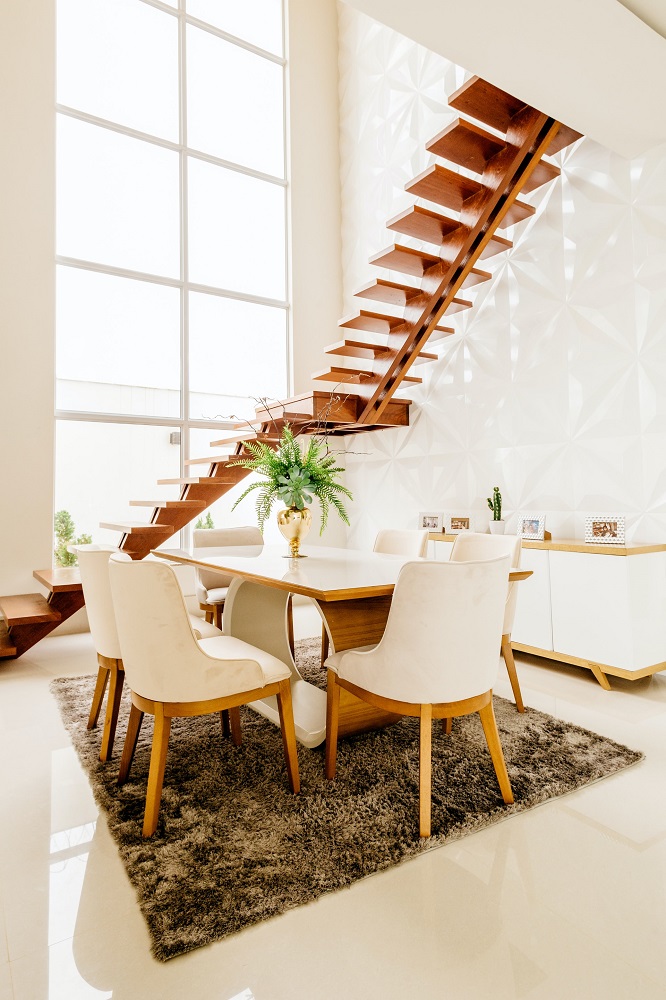
Select a few anchor pieces first, such as a sofa, dining table or artwork, then build around them gradually. A mood board can expose clashes before money is spent. Cohesion should provide a thread, not a rule that removes personality.
Plan the Details Before Moving Day
Prioritise anything needed for privacy, safety and basic comfort. Confirm curtain and blind measurements, decide where beds will stand and ensure essential rooms are properly lit. Plan storage around real belongings instead of abstract categories.
Create a room-by-room document containing measurements, links, lead times and priorities. Separate items required immediately from those that can wait. Delaying some decisions is simply part of good planning because once furniture is in place, you can then judge rug sizes, side tables and decorative lighting more accurately.
Ultimately, advance preparation should make moving simpler, not lock the home into an untested scheme. Plan the foundations carefully, then allow the rest to evolve through your lived experience. It’s a marathon, not a sprint!
© Copyright 2026 Antonia, All rights Reserved. Written For: Tidylife